



Cable Harness
What is Cable Harness
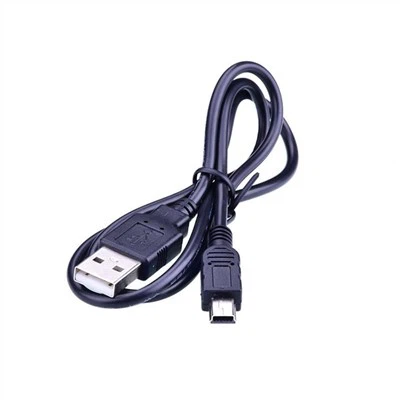
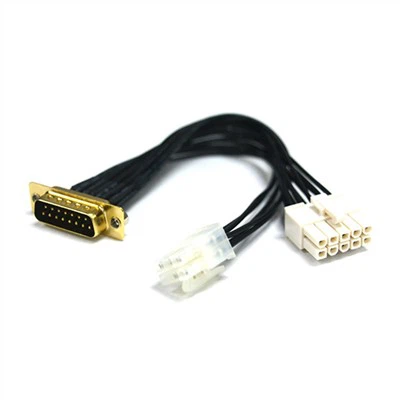
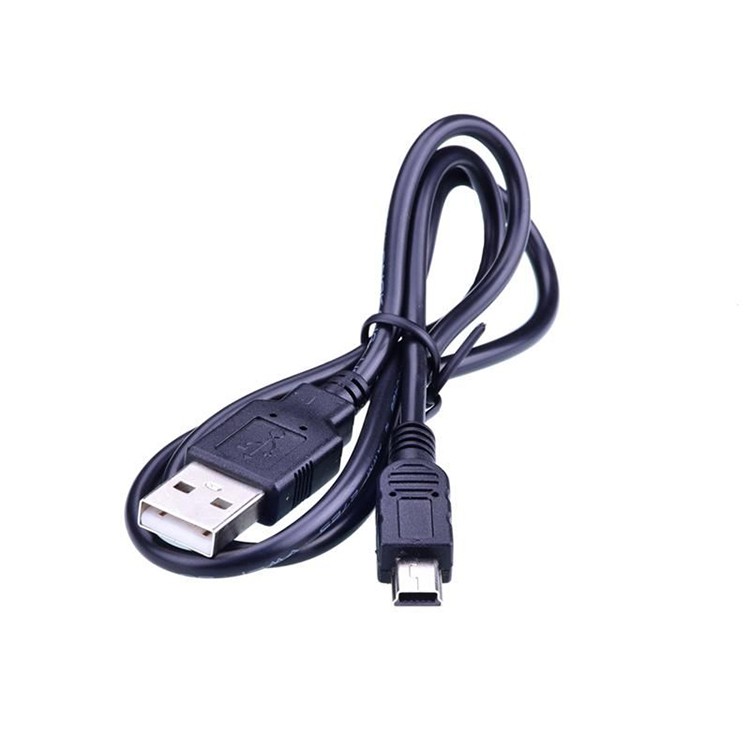
A cable harness, also known as a wire harness, wiring harness, cable assembly, wiring assembly or wiring loom, is an assembly of electrical cables or wires which transmit signals or electrical power.The cables are bound together by a durable material such as rubber, vinyl, electrical tape, conduit, a weave of extruded string, or a combination thereof.
Product Categories
Latest Products


Simplified Installation
Cable harness are made pre-assembled, reducing the complexity of installation processes. This saves time and effort during assembly.
Improved Reliability
The structured bundling of wires and cables in a harness reduces the risk of loose connections, short circuits, and other electrical issues, enhancing overall system reliability.
Space Efficiency
Cable harness are designed to fit specific spaces and configurations, optimizing the use of available space and promoting a neat and organized appearance.
Enhanced Durability
Cable harness protect wires and cables from environmental factors such as abrasion, moisture, and vibration, thereby increasing the overall durability and lifespan of the electrical system.
Cost Savings
Although there may be an initial investment in manufacturing cable harness, they often result in cost savings during installation and maintenance due to reduced labor and lower chances of errors.

Ease of Troubleshooting
The organized and labeled nature of cable harness simplifies troubleshooting and maintenance tasks. Technicians can quickly identify and address issues without spending excessive time on diagnosis.
Standardization
Cable harness facilitate standardization in manufacturing processes, ensuring consistency and quality across products. This can be particularly beneficial in mass production scenarios.
Improved Electrical Performance
Proper bundling and shielding of wires within a harness help minimize electromagnetic interference (EMI) and radio frequency interference (RFI), leading to improved electrical performance.
Time Savings
The plug-and-play nature of cable harness speeds up assembly and installation processes, reducing production time and increasing overall efficiency.
Customization
Despite being pre-assembled, cable harness can be customized to meet specific design requirements. This flexibility allows manufacturers to tailor solutions to the needs of different applications.
In summary, cable harness offer a range of advantages that contribute to enhanced efficiency, reliability, and cost-effectiveness in various industries.
Why Choose us
Fast Delivery
CNT adopts auto-production, and auto-inspect & package machine which ensures the high quality and efficiency. Both small quantity and big quantity, CNT both could ensure the fast delivery time.
Quality Guaranteed
CNT has passed the certificate of quality system of ISO9001:2015 and IATF16949. All its materials have passed the certifications of ROHS, REACH, and UL.
Cutting-edge technology
CNT has self-owned lab which could full set testing from materials to finished products to guarantee the product quality.
Customer-focused
We prioritize the satisfaction of our clients and make sure their needs are met in a timely and effective manner.
Aerospace
Aerospace equipment often includes dense bundles of electrical and communication cables. Wire harnesses enable power transmission in aircraft engines, data transmission from satellites, and similar aerospace applications.
Automotive
The automotive industry makes extensive use of wiring cable harness, including in both gasoline and electrical vehicles. In these contexts, harnesses are indispensable for saving space and ensuring wires fit around mechanical components. Organizing conductors is also essential for keeping distinct systems separate under the hood, enabling both efficient operation and easy maintenance. Automotive systems using harnesses include lights, turn signals, displays, and more.
Medical
In the hospital, clinicians must be able to quickly establish reliable connections. In many cases, this is a matter of life and death, such as when setting up critical care equipment. Harnesses enable these rapid links, keeping patients safe. Other medical applications include more permanent installations such as imaging equipment and dental chairs.
Telecommunications
Telecommunications systems may include anywhere from tens to thousands of cables, all of which must be organized to save space and facilitate identification. Assemblies serve this role, bundling cables for modems, routers, and similar communication equipment.
Information Technology
Within IT, cable harnesses are used at every scale. Wire cable harness save space within small laptops and organize the thousands of cables within a networking facility.
Construction
Safe and efficient wiring powers residential and commercial buildings alike. Construction personnel rely on harnesses to insulate and organize electrical wiring in compliance with all relevant codes.
Manufacturing
In a manufacturing environment, stray wires represent a significant safety hazard. At the same time, many machines include extensive wiring, including CNC units, 3D printers, and conventional workstations. Harnesses keep facilities safe by containing wiring and ensuring connections are reliable.
Robotics and Automation
Robots of all sizes require organized and durable wiring to function properly. Often, space is limited, so harnesses are needed to route and contain circuits.
Proper Cable Maintenance for Cable Harness Applications: Ensuring Longevity and Reliability
Develop a Cable Maintenance Plan
Creating a comprehensive cable harness maintenance plan serves as the foundation for effective upkeep. Consider these following elements when developing your plan:
● Types of cables to be maintained
● Frequency of maintenance
● Specific tasks to be performed during maintenance
● Tools and equipment required
● Designating responsible personnel
Perform Regular Inspections
Regular inspections are crucial for identifying potential issues before they escalate into failures. During inspections, pay attention to the following:
● Damage to the insulation
● Loose or corroded connections
● Kinks or sharp bends
● Signs of wear and tear
Repair or Replace Damaged Cables
If you discover any damaged cable harness during inspections, it is imperative to address them promptly. While repairs can be challenging and time-consuming, it is often more effective to replace damaged cables to ensure optimal performance and reliability.
Store Cables Properly
Proper storage is essential for preventing cable damage when they are not in use. Adhere to the following guidelines when storing cables:
● Keep them in a cool, dry place
● Avoid direct exposure to sunlight
● Avoid stacking them too high
● Utilize cable wraps or protective coverings

Additional Measures to Extend Cable Life
● Design cable harness with extra length: Providing a few extra feet of cable allows flexibility for repairs or adjustments without straining the connection points.
● Opt for high-quality cables: Investing in superior quality cables minimizes the risk of premature failures and ensures optimal performance.
● Consider professional termination: Improper termination can lead to corrosion and other issues. Having your cables professionally terminated ensures clean and secure connections, reducing the chances of future problems.
Cleaning Connectors
Often overlooked, cleaning connectors is crucial for preventing signal loss and interference. Over time, connectors can accumulate dirt and corrosion. Use de-ionized water to clean connectors, ensuring optimal signal transmission.
Periodic Scheduled Re-Terminations
Periodically re-terminating cable harness is an effective maintenance practice to maintain clean and secure connections, preventing corrosion and related problems. Consider the following tips for re-termination:
● Use the correct tools, including a crimper, wire stripper, and heat gun.
● Prepare the cable by stripping the insulation from the ends.
● Crimp the connectors onto the wire ends.
● Shrink the heat shrink tubing over the connectors using a heat gun.
Additional Tips for Cable Maintenance
● Label your cables for easy identification during repairs or adjustments.
● Use cable ties or restraints to keep cables organized and secure, protecting them from environmental factors.
● Avoid running cables across sharp objects or edges to prevent insulation damage.
● Ensure proper cable support to avoid strain or damage due to excess weight.
● Avoid overloading cables, as they have specific current-carrying capacities that, if exceeded, can lead to overheating and failure.
Proper cable maintenance is crucial for maximizing the lifespan and functionality of cable harness. By implementing a comprehensive maintenance plan, conducting regular inspections, addressing damages promptly, storing cable harness properly, and taking additional measures to extend cable life, you can prevent costly failures and ensure reliable connections.
By following these best practices and incorporating them into your cable maintenance routine, you can ensure that your cable harness applications operate smoothly and reliably for an extended period. Remember, cable harness maintenance is a proactive approach that saves time, effort, and resources in the long run by preventing unexpected failures and costly downtime.

Factors To Consider When Designing Your Cable Harness
Defining the Electrical Requirements
Before diving into the design process, it is crucial to clearly define the electrical requirements of the system. This includes understanding the voltage, current, signal types, and power demands of the components involved. By accurately assessing these requirements, you can select appropriate wire sizes, insulation materials, and connectors that can handle the specified electrical parameters.
Selecting the Right Wire and Cable
Choosing the right wire and cable is essential for ensuring optimal performance and longevity of the cable harness. Factors to consider include the conductor material, wire gauge, insulation material, and temperature rating. It is important to select wires and cables that can withstand the environmental conditions, mechanical stresses, and electrical demands of the application.
Determining the Wire Lengths
Accurate determination of wire lengths is crucial to minimize excess wire and avoid unnecessary bulkiness in the harness. Careful consideration of the routing paths, connectors, and termination points can help optimize wire lengths, reducing material costs and improving the overall aesthetics of the installation.
Choosing Connectors and Terminal Blocks
Selecting the appropriate connectors and terminal blocks is vital for ensuring secure and reliable electrical connections. Factors to consider include the connector type, pin configuration, current-carrying capacity, mating cycles, and environmental protection (such as dust and moisture resistance). Compatibility with other system components and ease of assembly and maintenance should also be taken into account.
Routing and Securing the Harness
Efficient routing and secure fastening of the cable harness are critical for preventing wire damage, reducing electrical noise, and simplifying future maintenance. Careful planning of the harness layout, considering factors such as wire bundling, strain relief, and wire separation, can help achieve optimal routing and minimize the risk of wire chafing or entanglement.
Considering Environmental Factors
The operating environment of the cable harness greatly influences its design. Factors such as temperature variations, moisture, chemicals, vibration, and mechanical stress should be taken into account when selecting wire insulation materials, connectors, and protective sheaths. Designing the harness to withstand these environmental factors enhances its durability and reliability.
Accounting for Electro-Magnetic Interference (EMI)
Electro-Magnetic Interference (EMI) can disrupt the performance of electrical systems. To mitigate the impact of EMI, it is essential to incorporate proper shielding and grounding techniques into the cable harness design. Shielded cables, twisted pair configurations, and strategically placed grounding points can help minimize the effects of electromagnetic interference.
Incorporating Proper Insulation and Protection
Ensuring proper insulation and protection of the cable harness is crucial for preventing electrical shorts, signal crosstalk, and physical damage. Utilizing insulation materials with appropriate dielectric strength and abrasion resistance, along with protective sheaths and grommets at vulnerable points, helps maintain the integrity and longevity of the cable harness.
Implementing Testability and Accessibility
Designing the cable harness with testability and accessibility in mind facilitates efficient troubleshooting and maintenance. Incorporating test points, access panels, and labeling conventions allows technicians to easily identify and diagnose any issues that may arise, minimizing downtime and improving repair efficiency.
Ensuring Compliance with Safety Standards
Adhering to safety standards and regulations is paramount when designing cable harness, especially for applications involving high voltages, sensitive equipment, or hazardous environments. Following industry-specific safety guidelines and incorporating proper insulation, grounding, and protection measures safeguards both personnel and equipment from potential electrical hazards.
Streamlining Manufacturing and Assembly
Designing the cable harness for ease of manufacturing and assembly improves efficiency and reduces production costs. Considerations such as connector compatibility, standardized wire lengths, and logical routing paths enable faster assembly times, minimize errors, and streamline the manufacturing process.
Accounting for Serviceability and Maintenance
Incorporating serviceability and maintenance considerations into the cable harness design ensures easy access to components, connectors, and terminal points for inspections, repairs, or component replacements. Well-documented wire routing, clear labeling, and modular design principles facilitate efficient maintenance and reduce system downtime.
Estimating Costs and Budgeting
Accurate cost estimation an. Consider factors such as material costs, labor expenses, tooling investments, and potential design modifications. By forecasting costs early in the design process, you can make informed decisions to optimize the design within budgetary constraints.
Documenting the Cable Harness Design
Thorough documentation of the cable harness design is essential for future reference, modifications, and replication. Maintain comprehensive records of wiring diagrams, connector pinouts, parts lists, assembly instructions, and test procedures. Well-documented designs facilitate efficient communication among team members, aid in troubleshooting, and support future product iterations.
Our Factory
CNT was founded in 2007, specializes in design, produce and sale various kinds of electronic connectors: board to board connectors and board to wire connectors. Our products have been widely sold to Europe, Southeast Asia, Hongkong, Taiwan, Mainland China and other districts and countries.
CNT adopts auto-production, and auto-inspect & package machine which ensures the high quality and efficiency. Both small quantity and big quantity, CNT both could ensure the fast delivery time. CNT has passed the certificate of quality system of ISO9001:2015 and IATF16949. All its materials have passed the certifications of ROHS, REACH, and UL. The company has self-owned lab which could full set testing from materials to finished products to guarantee the quality.
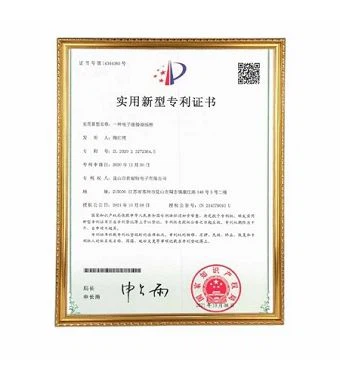
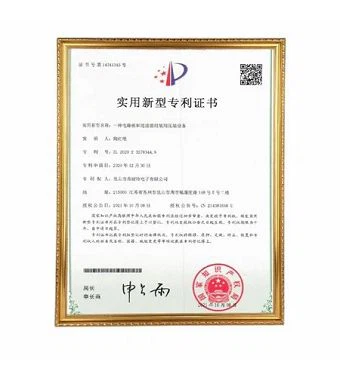
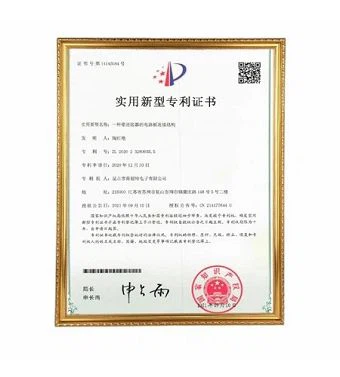
Our products are widely used in Industrial Instrument, Frequency Converter, Stereo Amplifier, CCTV, LED Screen, Smart Meters & Terminals, PCBA, Cell Phone, Househould Appliances, IoT, electric automobile and so on. CNT has obtained 15 national patents till now. And in 2022, CNT was awarded as National High-Tech Enterprise.


Our Certificate
ISO9001, IATF16949, ROHS, REACH, UL


Asked Questions
