



Wiring Harness
What is Wiring Harness
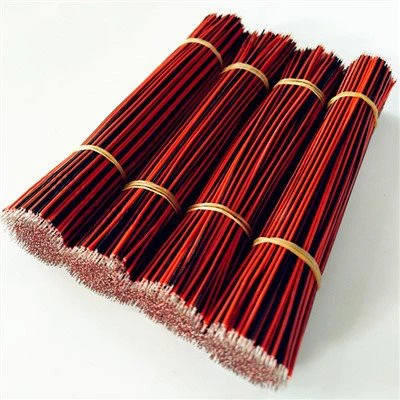
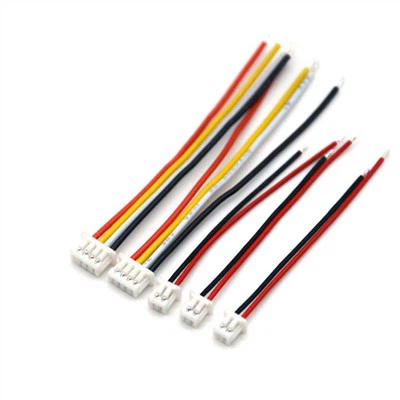
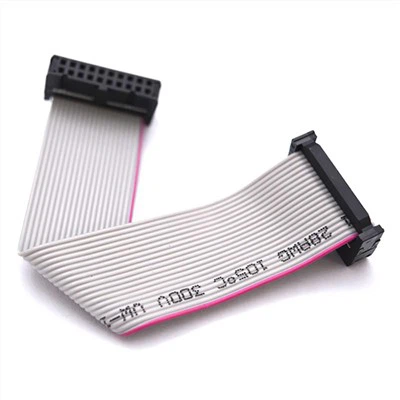
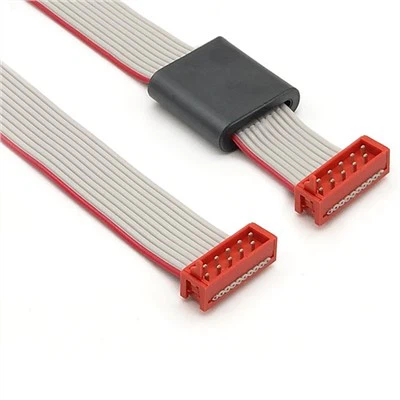
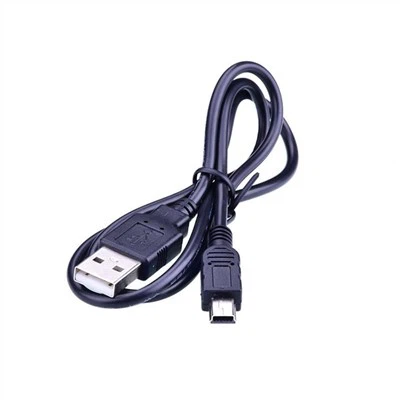
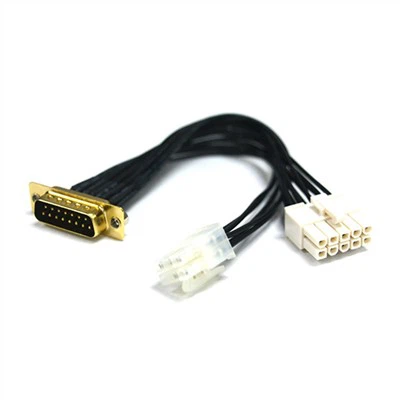
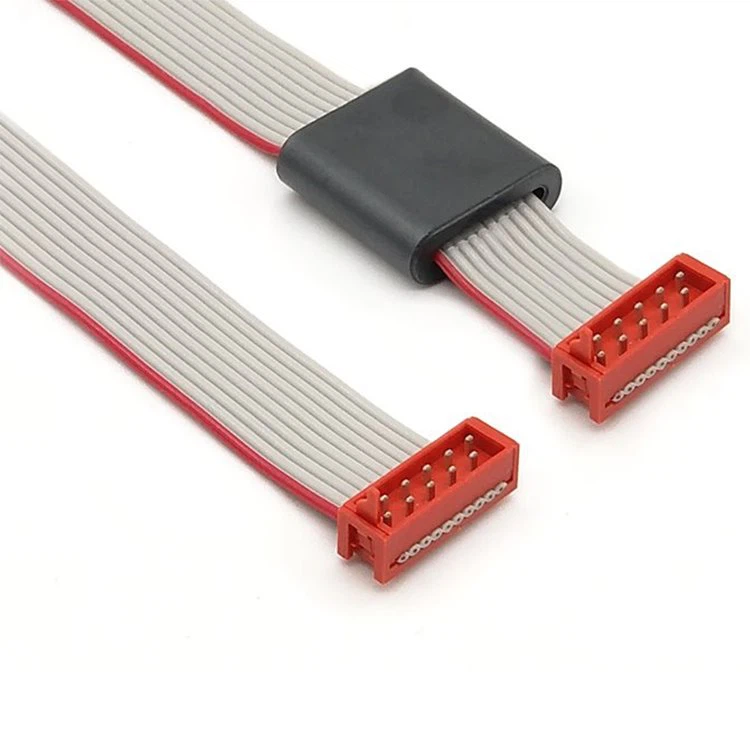
A cable harness, also known as a wire harness, wiring harness, cable assembly, wiring assembly or wiring loom, is an assembly of electrical cables or wires which transmit signals or electrical power.The cables are bound together by a durable material such as rubber, vinyl, electrical tape, conduit, a weave of extruded string, or a combination thereof.
Mproved reliability: A good wiring harness design can improve the reliability of a system by ensuring that all wires and connectors are properly routed, secured, and terminated. This can help to minimize the risk of electrical shorts, open circuits, and other wiring issues that can lead to system failures.
Increased durability: A wiring harness that is properly designed can also be more durable and resistant to wear and tear. This is because the wires and connectors are secured and protected from external forces, such as vibration and abrasion.
Better performance: A wiring harness that is designed to meet the specific performance requirements of a system can help to improve its overall performance. This is because the wires and connectors are selected and routed to minimize electrical losses and maximize signal integrity.
Cost savings: A good wiring harness design can also result in cost savings by reducing the need for maintenance and repairs. By minimizing wiring issues, a well-designed wiring harness can help to reduce downtime and increase productivity.
Compliance with industry standards: A wiring harness that is designed to comply with industry standards, such as IPC/WHMA-A-620, can help to ensure that the system is safe, reliable, and meets the requirements of regulatory bodies.
Product Categories
Latest Products


Why Choose us
Fast Delivery
CNT adopts auto-production, and auto-inspect & package machine which ensures the high quality and efficiency. Both small quantity and big quantity, CNT both could ensure the fast delivery time.
Quality Guaranteed
CNT has passed the certificate of quality system of ISO9001:2015 and IATF16949. All its materials have passed the certifications of ROHS, REACH, and UL.
Cutting-edge technology
CNT has self-owned lab which could full set testing from materials to finished products to guarantee the product quality.
Customer-focused
We prioritize the satisfaction of our clients and make sure their needs are met in a timely and effective manner.
Standard Wiring Harness (Connects to factory plug): Standard wiring harnesses are available for almost all vehicles. They plug into the factory plug of the vehicle, so you do not have to cut it off when you wire up your new aftermarket radio. These harnesses allow for a quick and clean install and you can re-install your factory radio at any time.
Reverse Wiring Harness (Connects to factory radio): This harness is a reverse form of the standard wiring harness and plugs into the factory radio. It is used to restore the factory radio plug if it has been damaged or removed so you can install your stock radio again.
Stereo Relocation Harness: Some vehicle radios integrate heavily with the vehicle. This relocation harness allows you to keep the stock radio and move it to another location. In its place you can add an aftermarket radio without worrying about losing any vehicle functionality.
Amplifier Integration Harness: If you ordered the advanced sound system package with your vehicle, it may have come equipped with a factory amplifier that supplies power to your speakers and even a subwoofer. Once you replace the factory radio, the amplifier will cease to function without an integration harness. These harnesses allow you to keep the factory amplifier when installing an aftermarket radio.
Amplifier Bypass Harness: If your vehicle came equipped with a factory amplifier that supplies power to your speakers and even a subwoofer, this bypass harness allows you to easily disconnect the amplifier and bypass it all together. With the amplifier out of the picture, you can use an aftermarket amplifier or use the aftermarket receiver’s built-in amplifier to power your speakers.
Chime Retention Harness: Later GM vehicles have factory warning chimes that alert the driver of possible vehicle issues, when doors are open or if the lights are left on. When replacing the factory radio, these chimes no longer function. A chime retention harness enables the installation of an aftermarket radio without retaining the factory radio while keeping the vital warning chimes.
Premium Harness: Vehicles with specialty services, or factory amplifiers require premium harnesses to accommodate these features.
Speaker Adapter Harness: Car manufactures create specialty speaker connectors to interface with factory speakers. When replacing these speakers, this specialty connector must be cut. With a speaker adapter harness, you can add aftermarket speakers while keeping the factory plugs.
Application of Wiring Harness
Automotive Applications: To simply starting an automobile, motorcycle, truck, tractor, and so on relies on a variety of electrical devices and electronic controls to transmit electrical power and signals to turn the engine over and execute ignition. The transmission of those electronic signals is part of a massive wiring network that allows vehicles to function. That functionality is accomplished through wire harness applications that merge the engine management system, electronic controls, lighting, air conditioning, power steering, electric windows, power brakes, entertainment, and audio system, and so on into an efficiently operating and functioning vehicle. With many electronic units on board, it’s no wonder an average car has thousands of wires extending over a mile to connect operating systems and devices. Wiring harness connect those devices and supply electricity and electronic signals throughout the vehicle.
Manufacturing: Complex wiring, networks, cabling systems and drive robotic and automated production and assembly lines in today’s manufacturing facilities and plants. Wire harnessing applications connect signal and power conductors that control various systems along the same production line or within the same area. Wiring harness ensure proper seal cabling, connectivity, and wires to ensure production is fully optimized.
Medical Applications: In the healthcare domain, electronic medical equipment, instruments, and devices are subject to heavy use and varying degrees of low and high intensity. The wire harness applications fixed in these devices must be durable, biocompatible, and adaptable. Whether the device is a radiological or imaging equipment, defibrillator, pacemaker, or drill, it must function efficiently on demand without failure. Because of the myriad of applications, wiring harness for the medical and healthcare sector come in all sizes and shapes. They differ significantly from other wire harness assemblies used in different industries. Wiring harness for medical applications must be bio-sensitive and comply with FDA regulatory controls and guidelines.
Communication Systems: Global connectivity demands an infrastructure that can send and receive data instantaneously worldwide. Communication systems depend on customized and personalized harnesses for a wide range of applications through an array of technologies. Wiring harness are crucial components in the assembly of broadband networks, hubs, optical networks, routers, peripheral equipment, repeaters, modems, and much more. Wireless communication applications include RF, DSL routers, and satellite receivers.
Military Applications: Wire harness capabilities for any military application must meet stringent DoD (Department of Defense) specifications. Cabling and wiring used in military equipment are designed for applications subject to extreme environments and conditions. Wiring harness manufacturers in India must manufacture military wire harnesses with components—wires, connectors, terminals—specified and approved for demanding military applications.
The Manufacturing Process of Wiring Harness
While wiring harness often appear simple, a clear, accurate design phase is critical to setting production and the manufacturing process up for success. This stage may involve choosing harness components, specifying different colors to identify specific wires, specifying all wire and cable lengths, and various other details.
Following the design stage, prototyping takes place. This entails developing a physical product based on the chosen design specifications. In the process, manufacturers can identify areas for improvement and determine how to approach the rest of the manufacturing process. This helps ensure optimal quality and process performance before beginning the first production run.
During production and assembly, manufacturers must meet design specifications and make sure the end product meets quality standards with minimal risk of errors. The production process still heavily relies on manual assembly even as manufacturing becomes increasingly automated.
Throughout this stage, manufacturers typically complete three main steps:
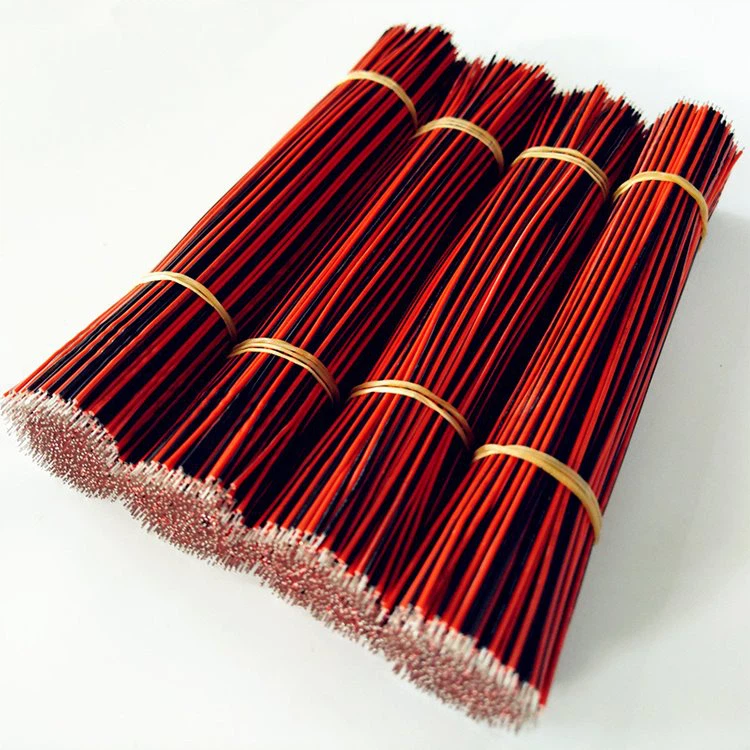
Wire Cutting — The first step in the production phase involves cutting wires to their designated lengths using a wire-cutting machine.
Stripping and Connections — After cutting, the next step entails stripping the wire ends to expose their cores, which allows for the attachment of connector housings, terminals, or modules.
Assembly — The last step is the wire harness assembly process, which involves putting together the wire harness using an assembly board or workbench to put the final product together based on design specifications.
Following the core manufacturing process, manufacturers test the end product for quality assurance purposes. If the product meets quality and performance standards, the manufacturer ships the final product to the client.
Engine Wiring Harness Common Failures
Failure phenomenon: Vehicles driving frequently speedometer indicates zero speed, odometer indicates small mileage, intermittently return to normal on their own.
Cause: A broken wiring harness can lead to a common automotive failure mode of line breakage. The reasons for a broken wiring harness can be simply listed as the following 3 points: ① the branch design of the wiring harness is too short; ② the manufacturing of the wiring harness is not standardized; ③ twisting the wiring harness during assembly.
Failure phenomenon: Engine wiring harness connected to the crankshaft position sensor branch and clutch sub-pump mounting support interference, and found that the wiring harness branch here has wear
Cause: An important reason for the engine wiring harness to wear is interference with surrounding parts. engine wiring harness is arranged in a wide area and is a deformed part, compared to other engine parts, the wiring harness has a high probability of interference with surrounding parts.
There are many reasons for the harness and peripheral parts interference, such as harness branch design is too long resulting in excessive harness margin, and peripheral parts interference; assembly process does not meet the design requirements; unreasonable layout, insufficient space, or lack of fixed points, and peripheral parts are too close to the distance, resulting in interference.
Fault phenomenon: The engine fault light is always on
Cause: The common factor leading to damage to the wiring harness plug connector is the quality of the product, the second factor is the assembly factors, assembly factors are mostly due to violent operations.
Fault phenomenon: The engine can not start. Testers re-connection of the rail pressure regulator valve sensor plug, the engine can start normally, but after the engine works normally, the fault again.
Cause: Harness assembly plug poor is the engine wiring harness a common failure mode, prompting this failure mode can be simply divided into the following three causes: ① sheath production and manufacturing quality problems; ② plating set unreasonable, terminal oxidation too fast; ③ human factors in the assembly process to deform the plug terminals.
Wiring Harness Maintenance: Tips for Maximising Lifespan and Performance
Regular Inspection
Regular visual inspection is the first step in wiring harness maintenance. For best practices and to maximise the lifespan and performance of your wiring harness, it's important to inspect the harnesses for signs of wear, damage, or corrosion, paying close attention to connectors, terminations, and insulation.
Cleanliness
Keeping wiring harness clean is essential for preventing contamination and maintaining optimal performance. It's paramount to regularly remove dirt, dust, and debris from the harnesses using compressed air or a soft brush. Moreover, it's also essential to avoid using harsh chemicals or abrasive cleaners that could damage the insulation or connectors.
Protection Against Environmental Factors
Wiring harnesses are often exposed to harsh environmental conditions, including moisture, heat, vibration, and chemicals. We ensure that harnesses are properly routed and secured to minimise exposure to potential hazards.
Secure Mounting
Proper mounting of wiring harness is crucial for preventing movement, chafing, and damage during operation. Use appropriate fasteners, clips, or brackets to securely mount harnesses to the vehicle or equipment frame. Avoid routing harnesses near sharp edges, moving parts, or high-temperature areas that could cause abrasion or heat damage.
Electrical Testing
Regular electrical testing is essential for verifying the integrity and functionality of wiring harness. Performing continuity checks, insulation resistance tests, and functionality tests is important to ensure that all connections are secure and circuits are functioning as intended. Addressing any discrepancies or issues promptly to prevent potential failures is also imperative.
Documentation and Record Keeping
Maintaining accurate documentation is vital for effective wiring harness maintenance. Keep detailed records of installation dates, inspection findings, repairs, and modifications made to the harnesses. This information can help identify trends, track maintenance activities, and facilitate troubleshooting in the event of issues.
Proactive Replacement
Despite proper maintenance, wiring harnesses will eventually wear out over time due to factors such as age, usage, and environmental exposure. Proactively monitor the condition of harnesses and consider replacing them before signs of wear or deterioration become apparent.
Our Factory
CNT was founded in 2007, specializes in design, produce and sale various kinds of electronic connectors: board to board connectors and board to wire connectors. Our products have been widely sold to Europe, Southeast Asia, Hongkong, Taiwan, Mainland China and other districts and countries.
CNT adopts auto-production, and auto-inspect & package machine which ensures the high quality and efficiency. Both small quantity and big quantity, CNT both could ensure the fast delivery time. CNT has passed the certificate of quality system of ISO9001:2015 and IATF16949. All its materials have passed the certifications of ROHS, REACH, and UL. The company has self-owned lab which could full set testing from materials to finished products to guarantee the quality.
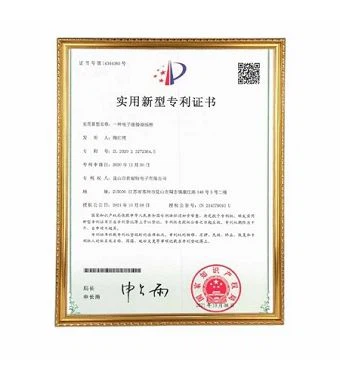
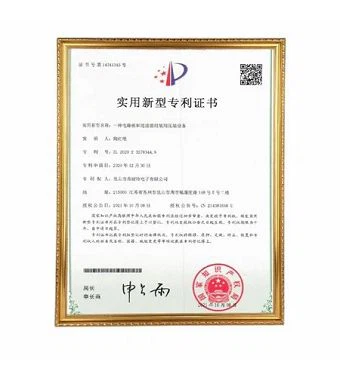
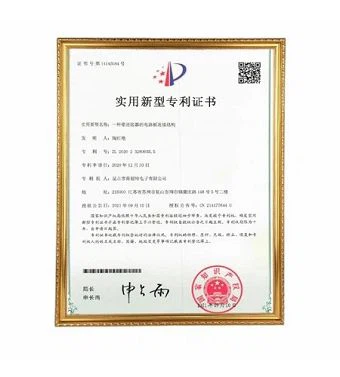
Our products are widely used in Industrial Instrument, Frequency Converter, Stereo Amplifier, CCTV, LED Screen, Smart Meters & Terminals, PCBA, Cell Phone, Househould Appliances, IoT, electric automobile and so on. CNT has obtained 15 national patents till now. And in 2022, CNT was awarded as National High-Tech Enterprise.


Our Certificate
ISO9001, IATF16949, ROHS, REACH, UL


Asked Questions
